Phonak EON
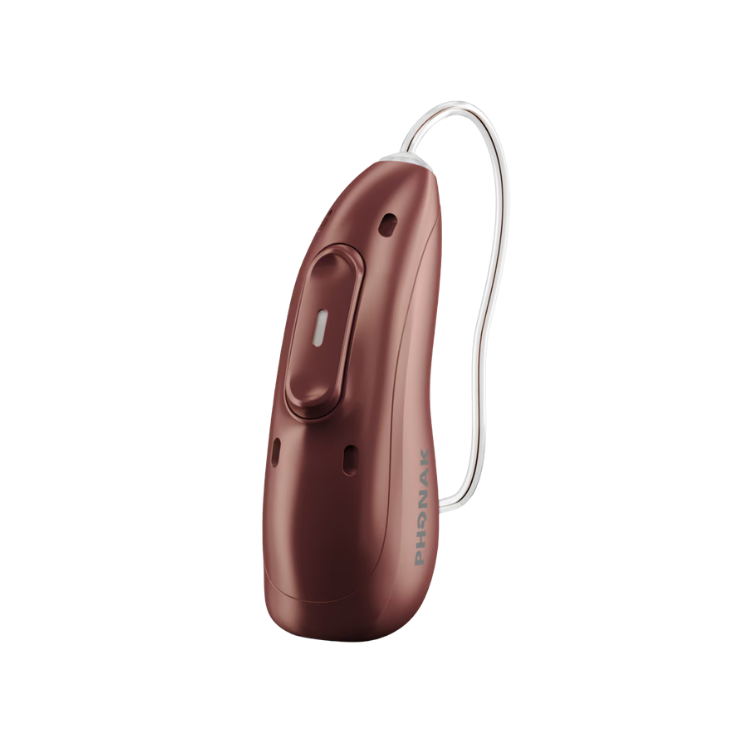

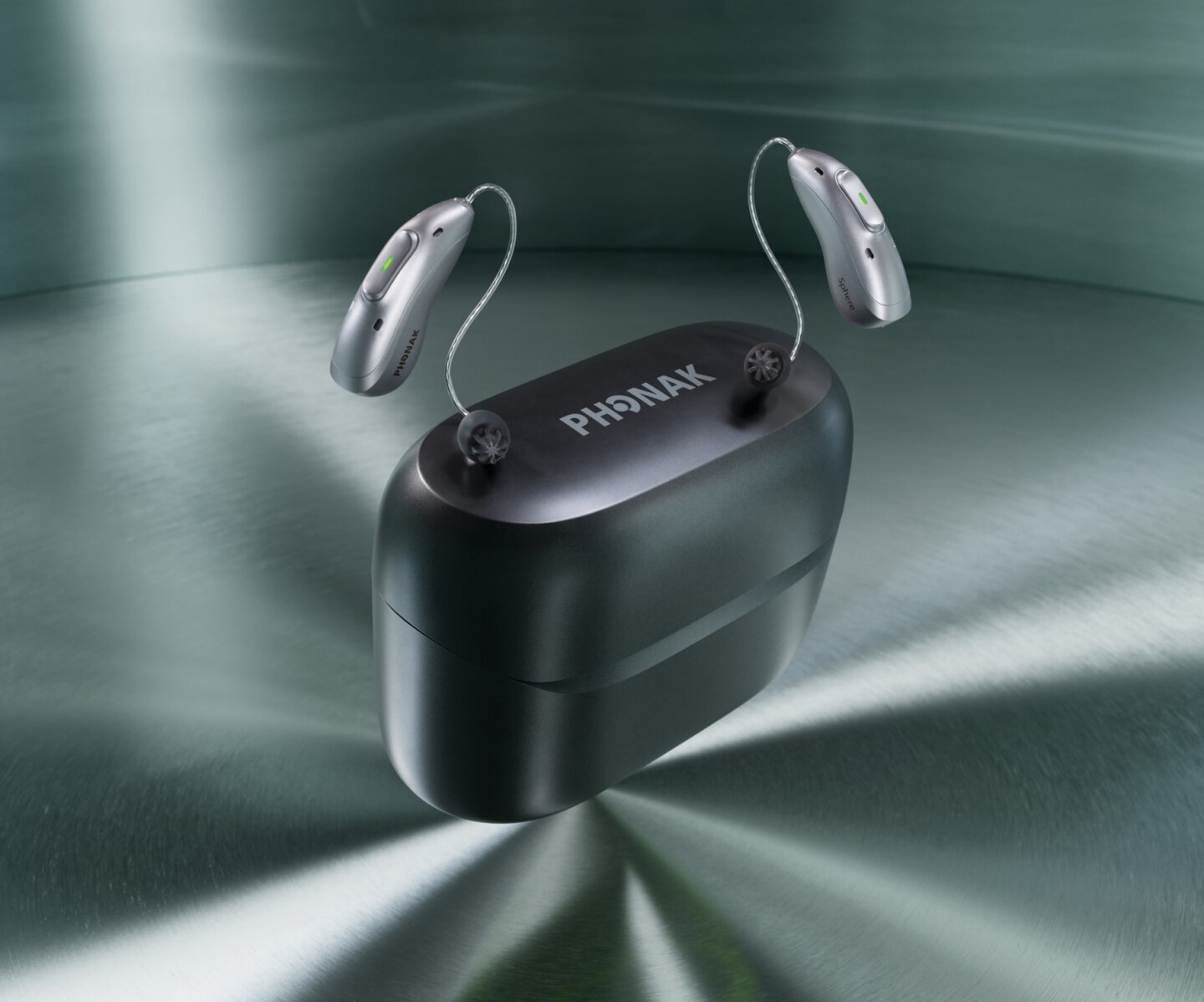
Understanding conversation in a noisy restaurant is the single most common frustration we hear from patients, and it is exactly the problem the Phonak EON was built to address. It is a rechargeable receiver-in-canal hearing aid organized around three ideas: clarity that adapts to wherever you are, connectivity that reaches the devices and rooms you use every day, and a design small enough that you can forget you are wearing it.
Clarity That Adapts to the Room
The Phonak EON is the third generation of Phonak's Audéo Sphere platform, the line developed specifically for hearing speech in noise, and it is designed to fit hearing losses from mild all the way through profound. At its core is a dedicated AI processor, the Hypersonic chip, running a feature called Spheric Speech Clarity 3.0. Rather than simply muting whatever is not speech, it separates the voice from the background, strengthens the voice, and rebuilds the sound so the person you are talking to stands out while the room still sounds natural. Phonak reports up to 50% better speech understanding in noise compared with traditional directional microphone technology, and up to 37% less listening effort, and for the first time that processing is offered across three performance levels rather than only the most expensive two.
Two supporting features complete the picture. AutoSense OS AI 8.0, the automatic system that senses your surroundings and adjusts the settings without any input from you, now reacts faster when the environment changes suddenly, such as stepping from a quiet hallway into a loud reception, and it keeps speech processing engaged in more situations. WindBlock 2.0 tackles the low roar of wind across the microphones that makes many hearing aids unusable outdoors, reducing wind noise by up to 50 dB while keeping voices and everyday sounds audible. More than 90% of people in Phonak's testing preferred how natural it sounded.
Connectivity for Phones, TVs, and Public Spaces
EON connects through Phonak's Era chip, which lets the hearing aids work as a hands-free headset for phone and video calls and stream audio directly from phones, computers, tablets, and televisions. Two additions stand out for harder listening situations. RogerDirect pairs EON with Phonak's wireless Roger microphones, so you can set one near a speaker or in the middle of a dinner table and hear distant voices clearly even when the room is loud. Native Auracast support connects EON to a broadcast audio standard now appearing in airports, theaters, houses of worship, and conference centers; where it is available, sound streams straight to your ears instead of competing with the acoustics of a large space. Day-to-day adjustments are handled through the myPhonak app on your phone.
A Design Built to Wear All Day
This generation is 25% smaller and 20% lighter than the previous Sphere hearing aid, in a standard rechargeable shape with eight color options to blend with your hair and skin tone. A single charge lasts more than a full day, up to roughly 22 hours even with heavy streaming and time in noisy places, and a full charge takes about 2.5 hours. An optional portable charging case carries its own battery for stretches away from home. EON also comes in three versions, so the device can be matched to your hearing rather than the reverse:
- Audéo Sphere EON: the full model with the dedicated speech-in-noise hardware.
- Audéo R EON: for patients who do not need that dedicated processing.
- CROS R EON: routes sound to the better ear for people with usable hearing on only one side.
Fitting the Phonak EON at Live Better Hearing + Balance
A hearing aid this capable still depends on how it is set up. We use Real Ear Measurement to verify that the sound reaching your eardrum matches your prescription rather than the manufacturer's average estimate, and we fine-tune the settings over follow-up visits for the specific places where hearing has been hardest for you. EON suits first-time users and experienced wearers alike, and it is an especially good match if your difficulties center on noisy rooms, the outdoors, or staying connected to your phone and television.
Live Better Hearing + Balance has convenient locations across Maryland, Virginia, Pennsylvania, and New Jersey. Contact the office nearest you to schedule a consultation, and we will help you decide whether the Phonak EON is the right fit and how it compares with the other devices we offer.
Common questions
How do I know which hearing aid is right for me?

The best hearing aid for you depends on various factors including your level of hearing loss, lifestyle, and budget. It's essential to consult with a hearing care professional who can assess your hearing and recommend options tailored to your needs.
Are hearing aids difficult to use?
Modern hearing aids are designed to be user-friendly with automatic features and simple controls. Many also come with connectivity options that allow for easy adjustments via smartphones or other devices.
What is the expected lifespan of a hearing aid?
The average lifespan of a hearing aid is about 5 to 7 years. Proper care and maintenance can extend the life of your hearing aid.
What factors should I consider when choosing a hearing aid?
Important factors include the type and severity of hearing loss, comfort, ease of handling, available features such as wireless connectivity, the hearing aid's appearance, and of course, the cost. A hearing care professional can help you balance these factors with your personal needs and preferences.
Peace of mind
Our Peace of Mind Coverage plans provide patients with an easy way to manage their hearing healthcare at Live Better Hearing. Hearing aids are both a financial and time investment, and annual service plans help to protect your investment.